There are items in your quote.






Forklift Inspection: Requirements, Checklist and Employer Responsibilities
Forklifts are an indispensable part of warehouses, manufacturing facilities, and logistics operations. Since they handle heavy loads on a daily basis, their reliable operation is essential for employee safety and the smooth running of work processes.
Regular periodic inspections enable the timely identification of worn or damaged components and other deficiencies that could lead to breakdowns, downtime, or even workplace accidents. In addition, they ensure compliance with applicable regulations and help reduce the risk of unexpected costs.
Why Are Regular Inspections Important?
A significant proportion of forklift failures and accidents are related to technical deficiencies, worn parts, or irregular maintenance. For this reason, periodic inspections are among the most important measures for ensuring safe operation.
Regular inspections help you:
- ● improve employee safety,
- ● reduce the risk of breakdowns and downtime,
- ● extend the service life of the forklift,
- ● lower unforeseen repair costs,
- ● ensure compliance with regulations.
The purpose of an inspection is not merely to assess the current condition of a forklift but, above all, to identify defects in time that could result in employee injuries or major material damage.
What Does a Periodic Inspection Include?
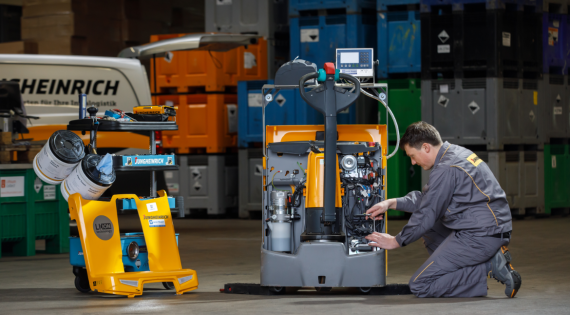
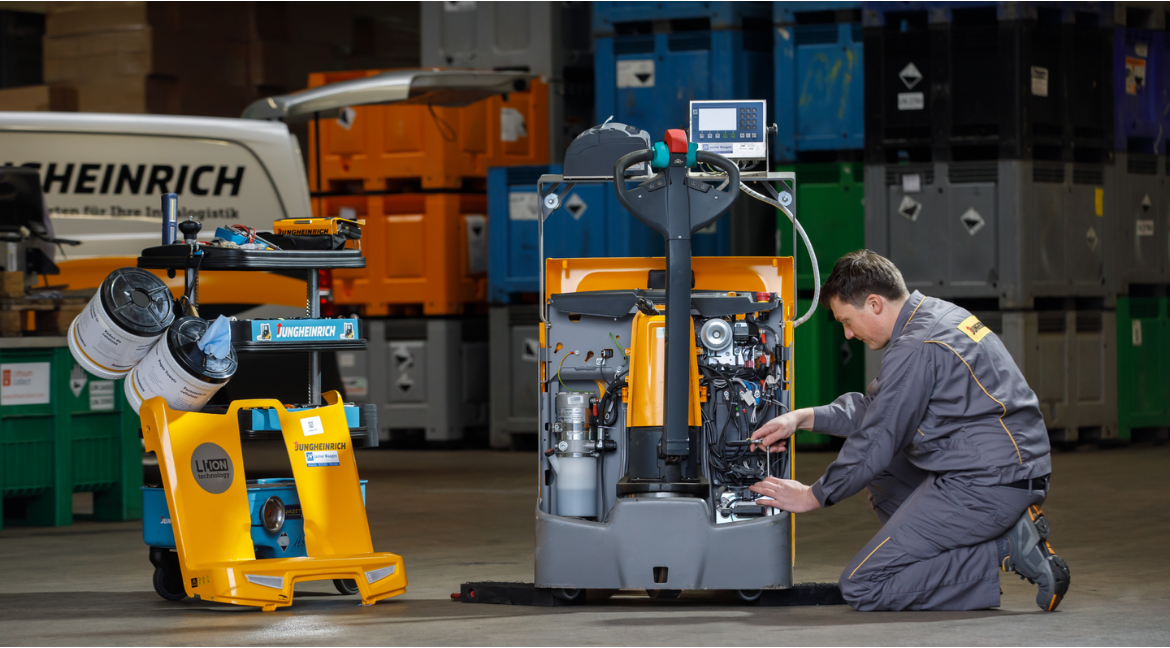
During a periodic inspection, the technical condition and safety performance of the forklift are assessed. The inspection typically includes:
- ● inspection of the operating instructions, CE Declaration of Conformity, and safe work instructions,
- ● review of documentation, previous inspection reports, and evidence of prescribed maintenance,
- ● inspection of pictograms, warning labels, identification plates, and CE markings,
- ● visual inspection of the frame, forks, fork carriage, wheels, and protective elements of the forklift,
- ● inspection of the hydraulic system and examination of lift chains, cylinders, and the lifting mechanism,
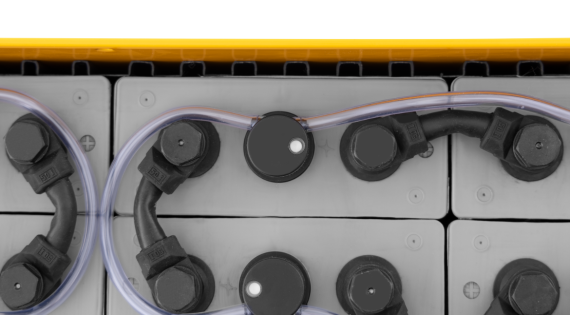
- ● inspection of power sources (battery, charger, internal combustion engine, electric motors, and hydraulic motors),
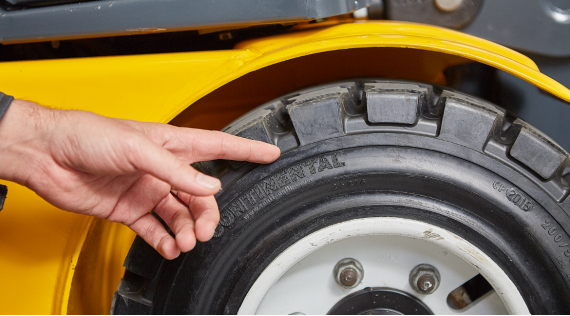
- ● inspection of tyres or drive and support wheels and their wear condition,
- ● inspection of the operator’s workplace (seat, seat belt, overhead guard, mirrors),
- ● inspection of lighting and audible warning devices (lights, work lights, warning beacon, horn),
- ● inspection of safety devices and emergency stop switches,
- ● inspection of the braking system, parking brake, and steering system,
- ● inspection of any structural damage, cracks, deformation, or corrosion,
- ● functional testing of the forklift during driving, lifting, lowering, and mast tilting operations,
- ● verification of all safety functions prescribed by the manufacturer.
Particular attention is paid to the condition of the forks, lift chains, hydraulic system, braking and steering systems, and operator protection features, as these components are subject to the greatest stress and directly affect operational safety.
After a successful inspection, an inspection report or certificate of compliance is issued. If deficiencies are identified, they must be rectified before the forklift is used again or within the period specified by the inspection provider.
When Is an Inspection Required?
Periodic inspections must be carried out within the intervals specified by the manufacturer of the work equipment. For forklifts, inspections are generally performed once a year unless the manufacturer specifies otherwise.
In addition to regular inspections, an extraordinary inspection is also required:
- ● after major repairs,
- ● after damage or accidents,
- ● after extended periods out of service,
- ● after events that may have affected the safe operation of the forklift.
Carrying out inspections on time helps prevent breakdowns and ensures the safe and reliable use of equipment.
Who Is Responsible for Carrying Out the Inspection?
The employer or operator of the work equipment is responsible for ensuring that periodic inspections are carried out on time.
It is their duty to ensure that the forklift is technically sound, safe to use, and that all required inspections are completed within the prescribed deadlines.
Even when inspection or maintenance is performed by an authorised external company, responsibility for completing the inspection and maintaining the appropriate documentation remains with the employer.
Important: A periodic inspection is not the responsibility of the forklift operator or the service company, but a legal obligation of the employer.
Retention of Inspection Reports and Certificates
After an inspection has been completed, documentation proving the compliance and safety of the work equipment must be retained. The most important documents include:
- ● inspection reports,
- ● certificates of compliance of the work equipment,
- ● maintenance and service records,
- ● documentation of repairs carried out.
Documentation must be properly organised and readily available for internal audits and any inspection by the relevant authorities.
Important: From a compliance perspective, a completed inspection without a properly retained report or certificate has virtually the same evidential value as an inspection that was never performed.
Do Not Delay the Inspection
A valid certificate of compliance for work equipment is one of the first documents that may be requested by a competent inspector. Without a completed inspection, a company risks being prohibited from using the forklift, incurring additional costs, and facing potential penalties.
Regular periodic inspections are not only a legal obligation but also an important investment in employee safety, reliable forklift operation, and uninterrupted workflow.
Do You Need a Periodic Forklift Inspection?
Contact us and we will help you ensure the safe, reliable, and compliant use of your work equipment and fulfil your legal obligations on time.
Email: servis@jungheinrich.si
Phone: +386 51 336 336
Important Links
- Occupational Safety and Health Act (ZVZD-1)
- Rules on Occupational Safety and Health in the Use of Work Equipment
Published: 31.8.2026